Exploring the Foreign Earned Income Exclusion and How It Relates to Your Basic Reduction
The Foreign Earned Income Exclusion (FEIE) provides a substantial opportunity for migrants to reduce their united state tax responsibility. Comprehending the qualification needs and computing international gained revenue is essential. Nevertheless, this exclusion makes complex the choice between making best use of and asserting the common reduction tax obligation advantages. Maneuvering with these elaborate guidelines might lead to significant financial implications. What methods can individuals utilize to maximize their tax situation while staying certified with internal revenue service laws?
Understanding the Foreign Earned Income Exemption (FEIE)
Although several united state citizens working abroad might deal with complex tax obligation commitments, the Foreign Earned Revenue Exclusion (FEIE) supplies considerable relief by allowing eligible people to exclude a part of their international profits from U.S. tax. This stipulation is developed to ease the financial burden of dual taxes on revenue earned in foreign countries. By using the FEIE, qualified taxpayers can exclude approximately a defined limit of foreign made income, which is changed each year for rising cost of living. The exemption applies only to income acquired from work or self-employment in an international nation and does not cover various other kinds of revenue, such as financial investment revenue. To gain from the FEIE, individuals should submit the appropriate tax obligation forms with the internal revenue service and assure compliance with specific requirements. Eventually, the FEIE works as an important tool for united state citizens maneuvering the intricacies of international taxes while living and working abroad.
Eligibility Requirements for the FEIE
To get approved for the Foreign Earned Earnings Exclusion (FEIE), people must satisfy details standards established by the internal revenue service. They should have international earned earnings, which refers to wages, incomes, or specialist fees gotten for services executed in a foreign country. Furthermore, the taxpayer has to either be an authentic local of a foreign nation or meet the physical existence examination, which calls for spending a minimum of 330 full days in an international country throughout a 12-month period.
The taxpayer should submit Type 2555 or Form 2555-EZ to claim the exclusion. It is likewise important to note that the FEIE applies just to earnings made while staying outside the USA; as a result, any type of revenue from united state sources or for solutions done in the U.S. does not qualify. Comprehending these eligibility requirements is vital for people looking for to take advantage of the FEIE.
Computing Your Foreign Earned Revenue
Calculating foreign made revenue is vital for people seeking to gain from the Foreign Earned Earnings Exclusion - FEIE Standard Deduction. This process involves recognizing the meaning of international made earnings and the details qualification requirements that use. In addition, numerous estimation techniques can be utilized to accurately determine the quantity eligible for exclusion
Interpretation of Foreign Earned Earnings
Foreign made earnings encompasses the compensation gotten by individuals for solutions done in a foreign country. This earnings can include salaries, wages, bonuses, and professional costs gained while functioning abroad. It is vital to note that foreign earned revenue is not restricted to simply cash payments; it can additionally encompass non-cash benefits, such as housing allocations or the value of dishes supplied by a company. To certify as international gained revenue, the settlement should be originated from services carried out in a foreign location, not from united state resources. Recognizing this interpretation is essential for people seeking to navigate the complexities of tax obligation guidelines connected to making income overseas, especially when considering the Foreign Earned Earnings Exclusion.
Eligibility Needs Clarified
Qualification for the Foreign Earned Earnings Exclusion pivots on numerous crucial needs that people have to meet to guarantee their income certifies - FEIE Standard Deduction. To begin with, the private have to have foreign earned earnings, which is income obtained for services executed in an international nation. On top of that, they should satisfy either the bona fide residence examination or the physical presence examination. The authentic residence test requires people to be a local of an international country for a nonstop period that consists of a whole tax obligation year. Conversely, the physical presence examination demands being present in a foreign country for at the very least 330 full days during a 12-month period. Additionally, taxpayers should file a valid income tax return and claim the exclusion using Form 2555
Estimation Approaches Overview
When determining the amount of international gained revenue eligible for exemption, people should think about different computation methods that accurately mirror their revenues. One of the most typical techniques include the Physical Presence Test and the Bona Fide Residence Examination. The Physical Visibility Examination calls for people to be physically existing in an international nation for a minimum of 330 days within a twelve-month duration. On the other hand, the Authentic Home Examination relates to those that develop a permanent home in an international nation for a continuous period. Each technique has certain requirements that should be fulfilled, impacting the quantity of earnings that can be left out. Recognizing these estimation approaches is vital for making the most of the advantages of the Foreign Earned Income Exclusion and making certain conformity with IRS laws.
The Duty of the Standard Deduction
The conventional reduction plays a crucial duty in specific tax obligation filings, providing taxpayers with a fixed reduction in their gross income. When combined with the Foreign Earned Income Exclusion, it can significantly affect the total tax obligation liability for migrants. Understanding how these two aspects engage is crucial for enhancing tax obligation advantages while living abroad.
Criterion Reduction Review
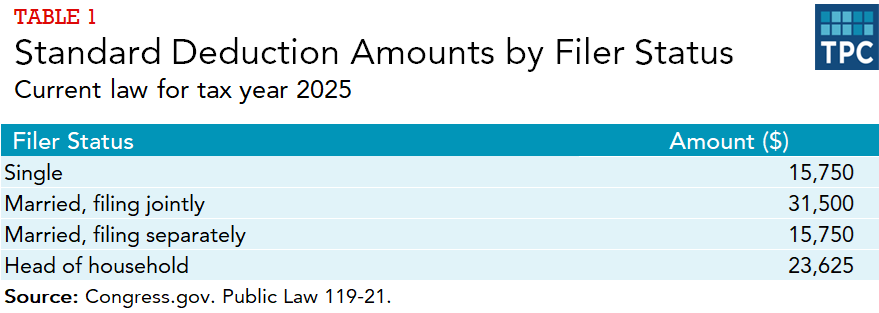
Recognizing the standard deduction is necessary for taxpayers looking for to minimize their taxable earnings. The typical reduction stands for a set dollar amount that reduces the income based on taxation, simplifying the filing procedure. It differs based upon filing status-- single, married declaring collectively, married filing separately, or head of home. For lots of taxpayers, particularly those without considerable itemized deductions, selecting the conventional deduction may be useful. This reduction is changed yearly for inflation, ensuring its relevance over time. By utilizing the standard reduction, people can properly reduce their tax responsibility, making it an essential element of tax obligation planning. Ultimately, awareness of the common reduction encourages taxpayers to make educated choices regarding their monetary strategies.
Communication With Foreign Exclusion
Taxpayers living Read More Here abroad may profit from both the conventional reduction and the Foreign Earned Income Exemption (FEIE) The FEIE allows eligible people to exclude a substantial portion of their foreign revenue from U.S. tax, while the typical deduction minimizes gross income for all taxpayers. Significantly, the standard deduction can still apply also when utilizing the FEIE. Nevertheless, taxpayers have to note that the FEIE does not impact the estimation of the basic reduction. Single filers can declare the standard deduction quantity no matter of their international revenue exclusion. This combination can cause significant tax cost savings, enabling migrants to reduce their total tax responsibility effectively while making certain conformity with U.S. tax obligation commitments.
How FEIE Impacts Your Typical Deduction
Steering the interplay between the Foreign Earned Earnings Exemption (FEIE) and the conventional deduction can be complicated for migrants. The FEIE allows qualifying individuals to exclude a specific amount of their international made revenue from united state taxes, which can significantly affect their general tax obligation responsibility. It is vital to keep in mind that declaring the FEIE may affect the capacity to use the basic deduction.
Especially, if an expatriate elects to leave out foreign earned revenue, they can not declare the basic reduction for that tax year. Instead, they might be eligible for an international tax credit rating, which can be useful in specific situations. The choice to use the FEIE or the standard reduction requires mindful consideration of individual conditions, as it can change the tax landscape substantially. Comprehending these implications is crucial for migrants seeking to maximize their tax responsibilities while living abroad.
Techniques for Optimizing Your Tax Advantages
While steering with the intricacies of expatriate tax, people can utilize numerous techniques to optimize their tax advantages. One effective technique entails maximizing the Foreign Earned Earnings Exemption (FEIE) by guaranteeing that all certifying income is properly reported. By timely declaring Type 2555, expatriates can exclude a considerable portion of their earnings, reducing their general taxed amount.
In addition, individuals should consider their residency standing and exactly how it affects their eligibility for tax obligation benefits. Leveraging readily available deductions, such as real estate expenses, can further improve tax financial savings. Participating in tax obligation planning throughout the year, rather than waiting till tax season, enables expatriates to make enlightened economic decisions that align with their tax strategy.
Consulting with a tax obligation specialist seasoned in expatriate taxes can give tailored understandings, making sure conformity while making best use of readily available advantages. With these methods, expatriates can efficiently navigate the complexities of their tax obligation commitments.
Typical Errors to Prevent With FEIE and Deductions
Making the most of the benefits of the Foreign Earned Revenue Exemption (FEIE) calls for careful focus to information to stay clear of usual challenges that can weaken tax cost savings. One regular mistake involves falling short to fulfill the residency look at this website needs, which can lead to disqualification from the exclusion. One more common mistake is inaccurately determining the qualified foreign made income, bring about prospective over- or under-reporting. Taxpayers may additionally ignore the requirement to file Kind 2555, necessary for claiming the FEIE, or misinterpret the partnership in between the FEIE and the typical reduction. It's crucial to keep in mind that while the FEIE can lower gross income, it does not impact the conventional deduction amount, which may cause complication. Lastly, neglecting to keep appropriate documents, such as evidence of residency and income sources, can complicate audits or future insurance claims. Recognition of these errors can assist people navigate the complexities of international taxation better.
Regularly Asked Concerns
Can I Assert FEIE if I Function Remotely for an U.S. Business?
Yes, an individual can declare the Foreign Earned Revenue Exemption if they work remotely for an U.S. business, supplied they fulfill the eligibility requirements connected to residency and physical visibility in an international nation.
How Does the FEIE Affect My State Taxes?
The Foreign Earned Earnings Exclusion commonly does not impact state taxes directly, as guidelines vary by state. Some states may need citizens to report all revenue, while others align with federal exclusions. Individual situations will identify obligation.
Can I Change Between FEIE and the Foreign Tax Credit Scores?
Yes, individuals can change between the Foreign Earned Income Exclusion and the Foreign Tax Credit Rating. However, they must thoroughly consider the implications and constraints of each alternative for their details economic scenario and tax obligation year.
What Happens if I Surpass the FEIE Revenue Restriction?

Exceeding the Foreign Earned Revenue Exclusion limitation results in gross income for the excess amount. This can lead to raised tax obligation obligation and prospective problems in declaring credit scores or reductions associated with foreign income.
Does FEIE Use to Self-Employed People?
Yes, the Foreign Earned Revenue Exclusion (FEIE) applies to freelance people (FEIE Standard Deduction). They can exclude certifying international gained revenue, given they fulfill the necessary requirements, such as the physical presence or authentic house examinations
The exemption uses just to earnings obtained from employment or self-employment in a foreign nation and does not cover various other kinds of earnings, such as investment income. Calculating international gained earnings is necessary for people looking for to profit from the Foreign Earned Earnings Exclusion. To start with, the his response individual have to have international made earnings, which is income received for solutions executed in an international country. The FEIE allows qualified people to omit a significant section of their international earnings from U.S. tax, while the conventional deduction lowers taxed earnings for all taxpayers. One effective approach entails maximizing the Foreign Earned Earnings Exclusion (FEIE) by ensuring that all certifying earnings is precisely reported.
Comments on “A simple guide to how the FEIE Standard Deduction functions for Americans overseas”